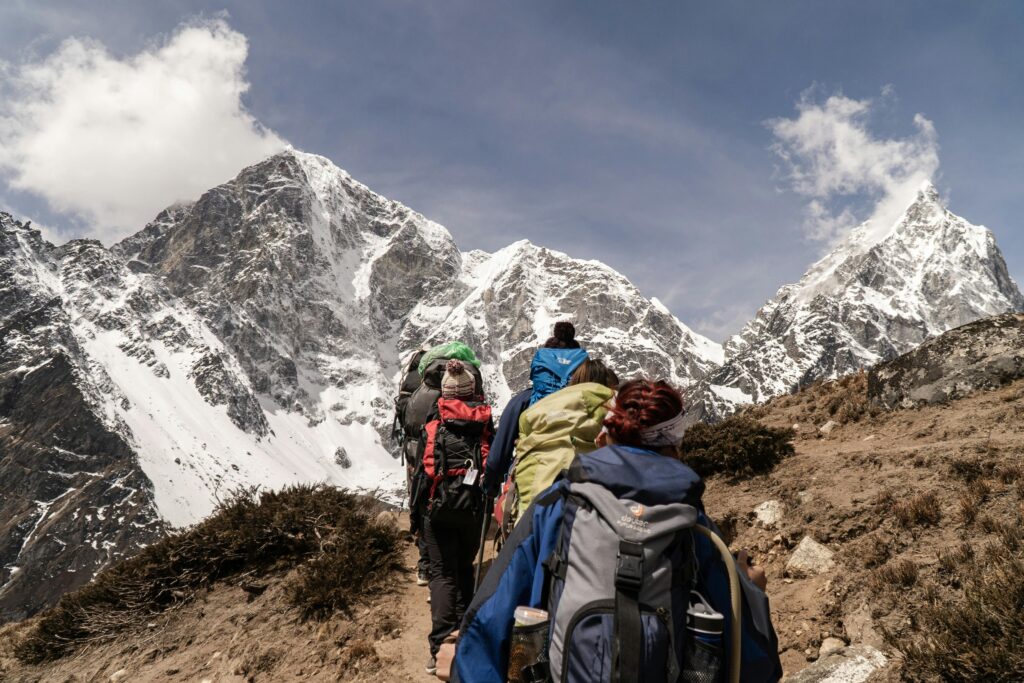
Goechala Trek in Sikkim: A Complete Travel Guide for Beginners
There are journeys that you plan, and then there are journeys that slowly become a part of you. The Goechala Trek is one of those rare experiences that stays with you long after you’ve returned home. It is not just about reaching a destination or completing a trek — it is about everything you feel along the way. If you are planning this journey, this Goechala Trek guide will give you a clear idea of what to expect — from the trail experience and challenges to preparation and the best time to visit. Because the truth is, the Goechala Trek is not just about mountains, it’s about the journey within.
Table of Contents
- Reaching Yuksom: Starting Point of Goechala Trek
- Entering the Forest: First Trek Experience
- Tshoka: A Peaceful Halt
- Trek to Dzongri: The Challenging Section
- Dzongri Top Sunrise Experience
- Goechala Viewpoint: Final Reward
- Things to Know Before the Goechala Trek
- Best Time for Goechala Trek
- Conclusion
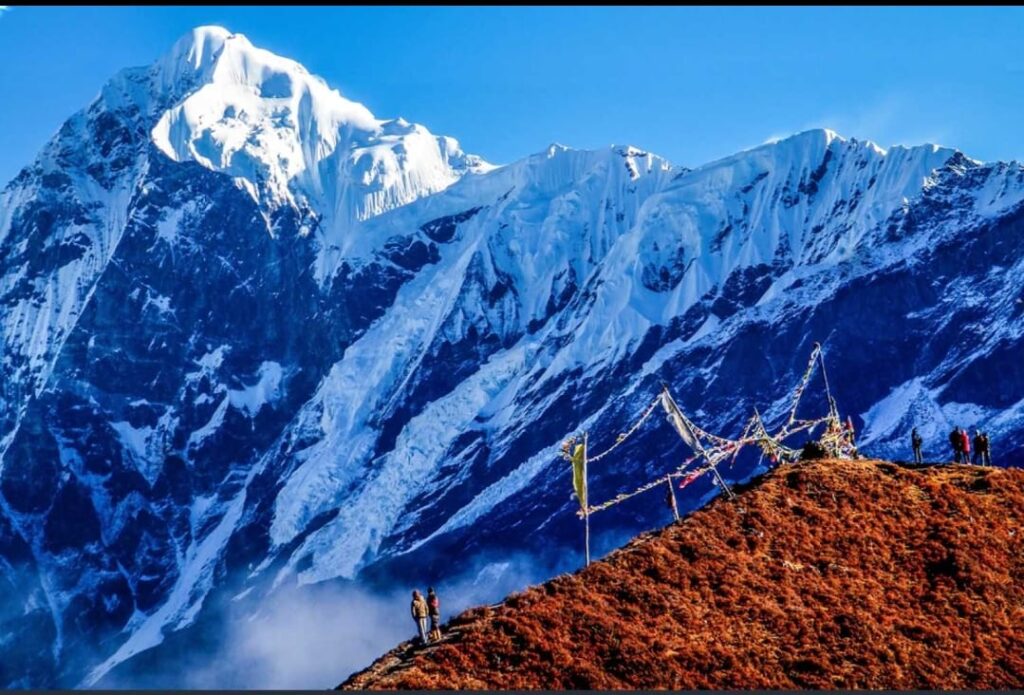
Reaching Yuksom: The Starting Point of Goechala Trek
The Goechala Trek begins from a small village called Yuksom, located in West Sikkim. It’s not the kind of place that immediately grabs your attention, but that’s exactly what makes it special.
First Impressions of Yuksom
When you arrive in Yuksom, the first thing you notice is the silence. The air feels fresher, the surroundings calmer, and there is no rush anywhere. It feels like you’ve stepped into a different pace of life. Unlike crowded tourist places, Yuksom gives you space — space to breathe, think, and slow down.
The Feeling Before the Trek
As evening approaches, the village begins to fill with trekkers preparing for the Goechala Trek. Some are checking their backpacks again and again, while others sit quietly, thinking about the journey ahead. There is a quiet excitement in the air — not loud, but deeply felt. That night before the trek feels different. You try to rest, but your mind keeps wandering towards the mountains. And somewhere in that silence, the journey has already begun.
Entering the Forest: The First Experience of Goechala Trek
The first day of the Goechala Trek begins on an easy note, almost as if the mountains are giving you time to settle in. But soon, the trail takes you deep into dense forest, and that’s when everything changes.
A Shift in Atmosphere
Walking into the forest feels like entering a completely different world. The light becomes softer, the air cooler, and everything around you quieter. Tall trees covered in moss surround the trail, and sunlight filters through the leaves in gentle patches. It doesn’t feel empty — it feels peaceful.
Finding Your Rhythm
At first, your steps may feel heavy, and the trail may seem longer than expected. But slowly, something shifts. You stop thinking about distance and start focusing on each step. The Goechala Trek teaches you this early — it’s not about speed, it’s about rhythm. Once you find that rhythm, the walk becomes more natural, and you begin to enjoy the journey instead of just completing it.
Tshoka: A Peaceful Halt on the Goechala Trek Route
After hours of walking through forest trails, reaching Tshoka feels like a quiet reward. It’s a small settlement surrounded by mountains, offering a perfect place to pause and rest.
Experience of Staying in Tshoka
Accommodation in Tshoka is simple — wooden huts or trekkers’ lodges. But after a long day of trekking, it feels more than enough. There’s a certain warmth in these places that makes you feel comfortable instantly.
Evening in the Mountains
As the evening sets in, the temperature drops quickly. Trekkers gather in small groups, sitting with a cup of tea or a warm meal. Conversations flow naturally — about the trek, the challenges, or even random life stories. One of the most beautiful moments here is simply sitting outside and watching the clouds drift below you. It’s quiet, peaceful, and unforgettable.
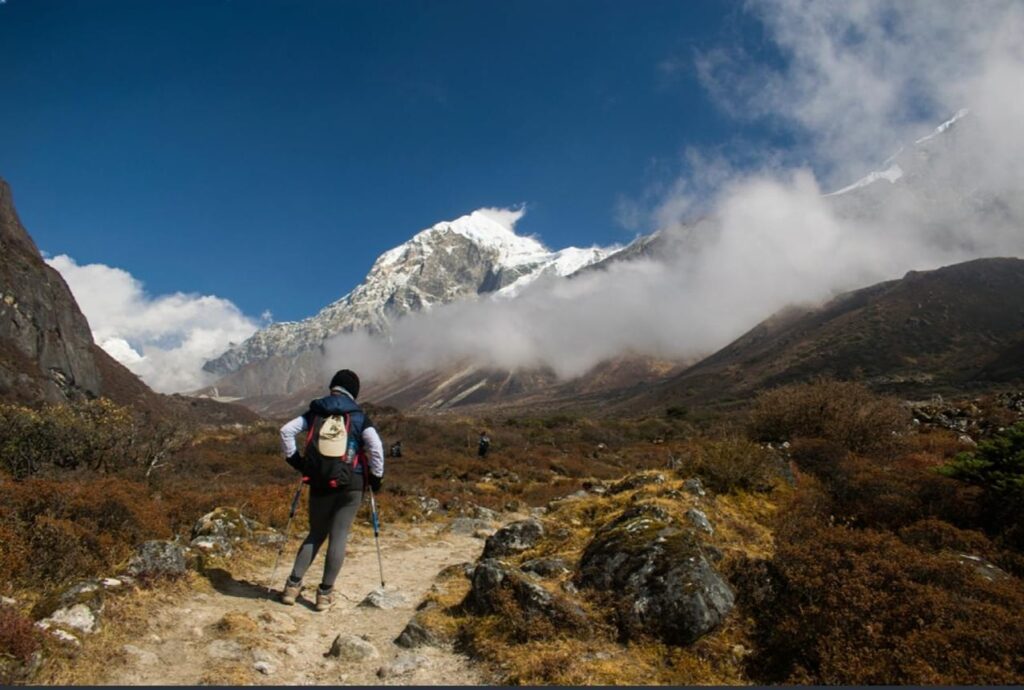
Trek to Dzongri: The Most Challenging Section of Goechala Trek
The stretch from Tshoka to Dzongri is where the Goechala Trek truly tests your strength and patience.
Steep Climbs and Physical Effort
The trail becomes steeper, and the air starts getting thinner. Every step requires more effort, and you may find yourself stopping frequently to catch your breath. At first, this can feel frustrating. But slowly, you realize that everyone around you is going through the same thing.
Learning Patience and Pace
This section teaches you an important lesson — there is no competition here. Some people walk faster, some slower, but everyone is on their own journey. The best thing you can do is listen to your body, take small breaks, and keep moving steadily. And with every step, your confidence grows.
Dzongri Top Sunrise: A Highlight of Goechala Trek
Waking up early in the cold for the Dzongri Top sunrise is not easy, but it’s one of the most rewarding experiences of the Goechala Trek.
The Early Morning Climb
You start walking in the dark, with only a torch or headlamp guiding your way. The air is cold, and everything around you is silent. It’s a slow, steady climb, but there’s a quiet excitement building inside.
Watching the Mountains Come Alive
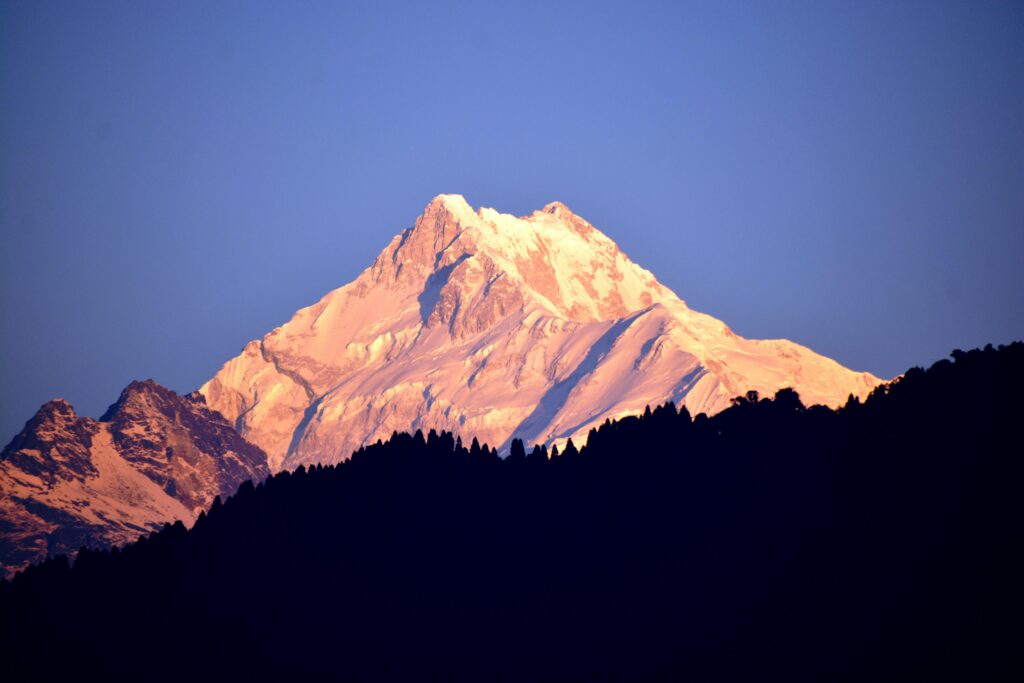
As you reach the top, the sky slowly begins to change. The darkness fades, and the first light touches the peaks. Within moments, the mountains turn golden. No one really speaks during this time. Everyone is simply watching, taking it all in. It’s one of those moments that you don’t forget.
Goechala Viewpoint: The Most Rewarding Moment of the Goechala Trek
Reaching the viewpoint is the most awaited part of the Goechala Trek.
The Final Climb
The journey to the viewpoint often starts before sunrise. It’s cold, challenging, and mentally demanding. But you keep going, step by step, knowing that something incredible is waiting ahead.
First View of Kanchenjunga
And then, you see it — Mount Kanchenjunga, standing tall and silent in front of you. It’s not just a view, it’s an experience. A moment where everything else fades away.
Why This Moment Matters
What makes this moment special is not just the mountain, but everything you went through to reach it. Every step, every challenge, every moment of doubt — it all leads to this. And suddenly, it all feels worth it.
Things You Should Know Before the Goechala Trek
Physical Fitness and Preparation
The Goechala Trek requires basic fitness and stamina. You don’t need to be an expert, but regular walking, jogging, or light exercise before the trek helps a lot.
Understanding Altitude
As you go higher, oxygen levels decrease. It’s important to walk slowly, stay hydrated, and allow your body to adjust.
Permits and Guidelines
Since the Goechala Trek is inside a national park, permits are required. It’s always better to go with a guide for safety and convenience.
Limited Connectivity
Once you leave Yuksom, network connectivity becomes very limited. At first, it may feel uncomfortable, but later, it becomes one of the best parts of the journey.
Best Time to Visit the Goechala Trek
Spring (March to May)
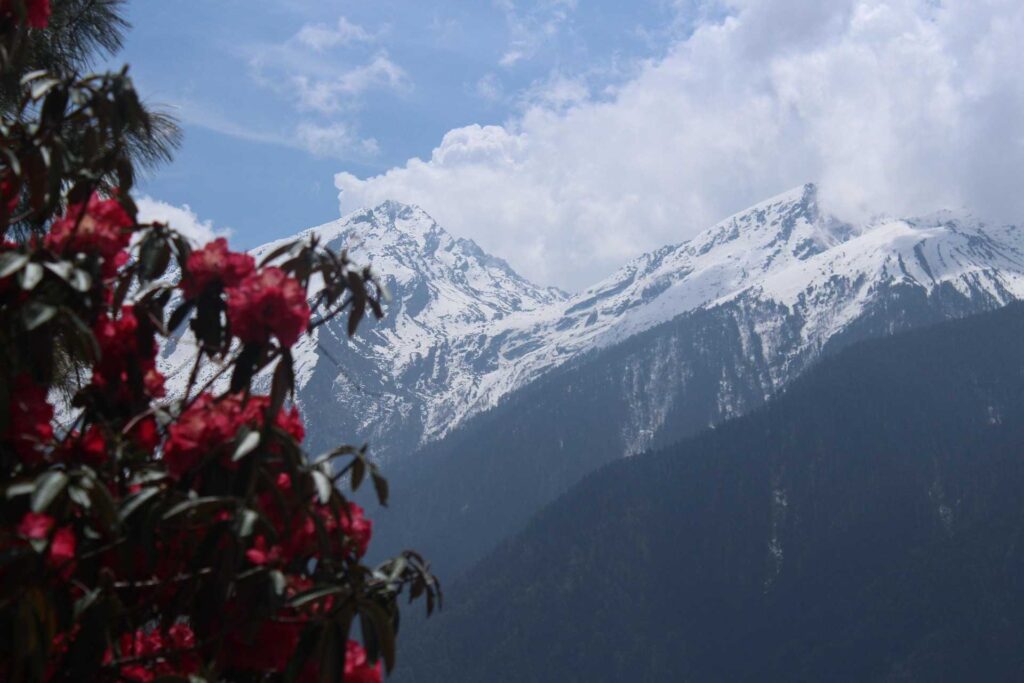
Spring is one of the most refreshing times to experience the Goechala Trek, especially if you enjoy nature in its most vibrant form. The trail becomes colorful with blooming rhododendrons, and the forests feel alive with fresh greenery. The weather is generally pleasant, making it comfortable for long trekking days, although nights can still be cold at higher altitudes. This season offers a beautiful balance between scenery and trekking conditions.
Autumn (September to November)
Autumn is widely considered the best time for the Goechala Trek, mainly because of the clear skies and excellent visibility. After the monsoon season, the air becomes cleaner, and you get some of the most stunning views of Mount Kanchenjunga and surrounding peaks. The weather is stable, with dry trails and comfortable daytime temperatures, making it ideal for trekking. If your goal is to enjoy clear mountain views, this is the perfect time to plan your Goechala Trek.
Monsoon (June to August)
The monsoon season is generally not recommended for the Goechala Trek due to heavy rainfall in the region. The trails become muddy and slippery, and there is a higher risk of landslides in certain sections. Visibility is also limited, which means you may miss out on the mountain views that make the Goechala Trek so special. Although the landscape turns lush green during this time, the challenges make it less suitable for trekking.
Winter (December to February)
Winter offers a completely different experience of the Goechala Trek, with snow-covered trails and a very peaceful atmosphere. However, the temperatures drop significantly, especially at higher altitudes, making the trek more challenging. Some routes may become difficult to access due to snow, and proper gear is essential. This season is best suited for experienced trekkers who are comfortable with cold weather and tougher conditions on the Goechala Trek.
Conclusion
The Goechala Trek is not just about reaching a destination — it’s about the journey that leads you there. From the quiet village of Yuksom to the breathtaking view of Kanchenjunga, every step of this trek offers something meaningful. It teaches you patience, helps you slow down, and makes you appreciate the small moments that often go unnoticed. By the time you complete the Goechala Trek, you don’t just return with photos — you return with a different perspective. And maybe that’s what makes this journey truly special. It’s not just a trek in the mountains, but an experience that stays with you long after it’s over.