The Elusive Red Panda of the Eastern Himalayas
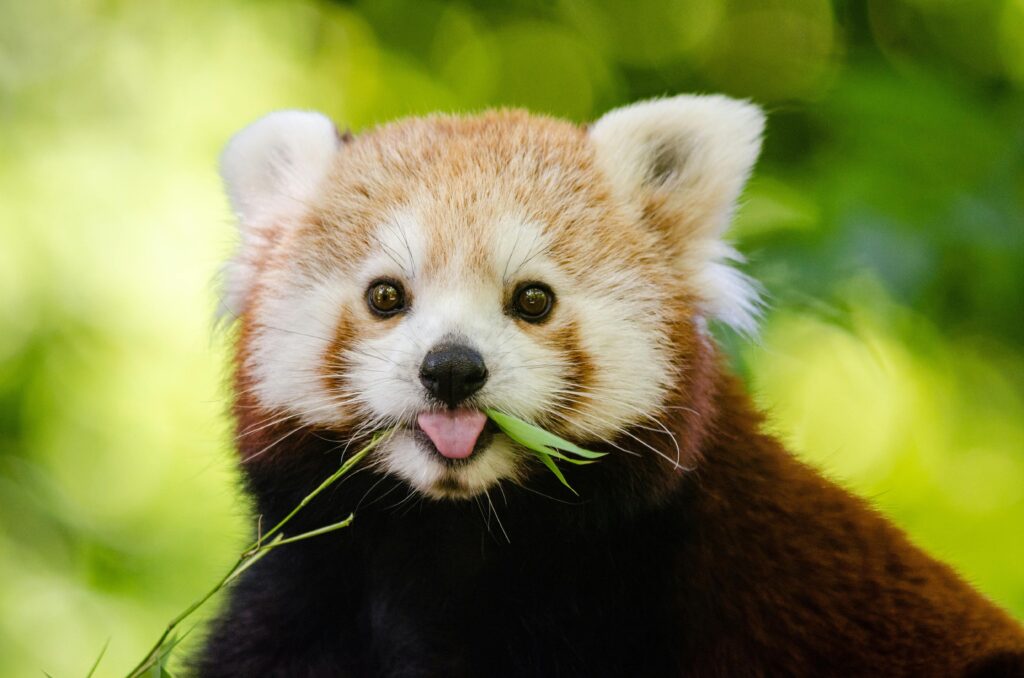
If there is one animal that many trekkers secretly hope to see while walking through the forests of Singalila National Park, it is the charming and rare Red Panda. Unlike many wild animals that make their presence obvious, the red panda is shy, quiet, and incredibly good at hiding. Most travelers never see one during their trek, but just knowing that this beautiful creature lives in these forests makes the journey feel even more special. For many nature lovers and wildlife enthusiasts, the forests along the Singalila ridge are one of the few places in India where t
A Rare Resident of the Himalayan Forests
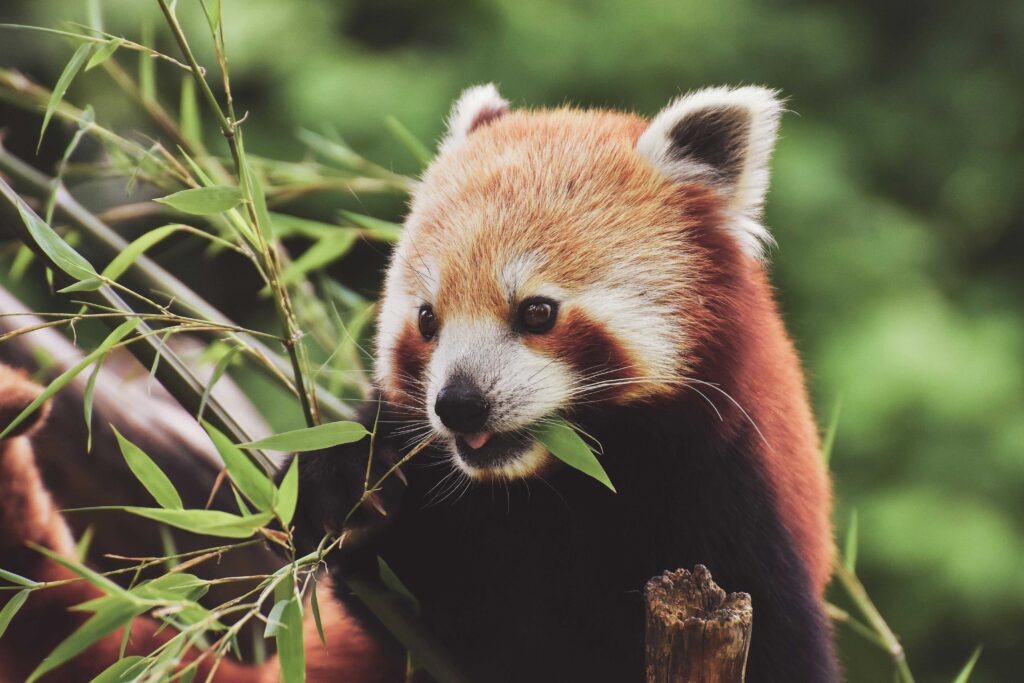
The Red Panda is often described as one of the most adorable animals found in the Himalayas. With its reddish fur, white facial markings, and long bushy tail, it almost looks like a mix between a fox and a raccoon. Despite the name, the red panda is not closely related to the giant panda. It belongs to its own unique animal family and has evolved to live in the cool mountain forests of the Eastern Himalayas. These animals prefer dense forests filled with bamboo, moss-covered trees, and thick vegetation. Such environments provide both food and shelter, making the forests of Singalila National Park a perfect home for them.
Where Can You See Red Pandas?
The red panda lives in several parts of the Eastern Himalayas, including India, Nepal, Bhutan, and parts of China. In India, one of the most important habitats for this species is Singalila National Park, located along the India–Nepal border. Trekkers walking on routes like the Sandakphu trek pass through long stretches of forest where red pandas are known to live. However, spotting one is extremely rare. These animals spend most of their time resting in trees and become active mainly during early mornings and evenings. Even experienced guides sometimes go years without seeing one. But occasionally, a lucky trekker might catch a glimpse of a reddish shape moving quietly through the branches.
What Do Red Pandas Eat?
Although they belong to the carnivore group of animals, the diet of the Red Panda is surprisingly simple.Bamboo makes up the majority of their food. In fact, much like giant pandas, they spend a large part of their day eating bamboo leaves and shoots. Apart from bamboo, they may also eat:
- Small fruits
- Berries
- Mushrooms
- Bird eggs
- Insects
Because bamboo grows abundantly in the forests of Singalila National Park, the park provides a stable food source for these animals.
The Importance of Protecting Their Habitat
For trekkers and nature lovers, visiting the Himalayan forests is a beautiful experience. But it is also important to remember that these forests are home to many fragile species. The presence of animals like the Red Panda reminds us how valuable these ecosystems are. Responsible trekking practices can help protect this environment. This includes staying on marked trails, avoiding plastic waste, and respecting wildlife. Even if you never see a red panda during your journey, just walking through the same forest where they live can feel magical.
A Special Symbol of the Eastern Himalayas
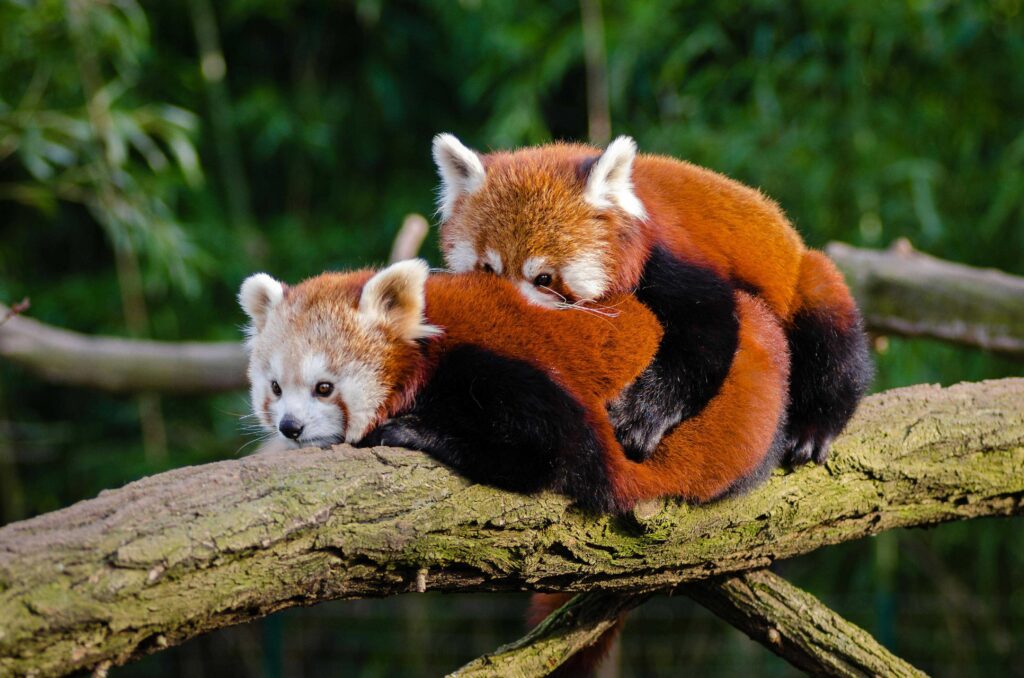
For many travelers, the red panda has become a symbol of the wild beauty of the Eastern Himalayas. Quiet, mysterious, and incredibly rare, this small animal represents the delicate balance of nature that still survives in these mountain forests. And perhaps that is part of the charm — the idea that somewhere deep inside the misty forests of Singalila National Park, a red panda might be resting high in the branches, watching the world quietly from above.