Yuksom Travel Guide: The Peaceful Beginning of Goechala Trek
There are journeys that begin with excitement, and then there are journeys that begin with silence. Yuksom belongs to the second kind. This Yuksom travel guide will help you explore one of the most peaceful and beautiful villages in Sikkim, where the journey begins long before the trek actually starts. If you are planning a trip, this Yuksom travel guide will give you a clear idea of what to expect, from the peaceful surroundings to its role as the starting point of the Goechala Trek. Hidden quietly in the beautiful landscapes of West Sikkim, Yuksom is not a place that tries to impress you immediately. There are no loud markets, no rush of tourists, and no distractions pulling you in different directions. Instead, what you find here is something much rarer — stillness. For most travelers, Yuksom is known as the starting point of the Goechala Trek, one of the most scenic treks in India. But the truth is, Yuksom is much more than just a base camp. It is a place that prepares you — physically, mentally, and emotionally — for the journey ahead. When I first arrived in Yuksom, I didn’t feel like I had reached a destination. It felt like I had stepped into a pause — a moment where everything slows down, and you begin to notice things you usually ignore. The sound of wind moving through trees, the distant view of mountains, and the quiet rhythm of a village that has nothing to prove. And somewhere in that silence, the journey truly begins. This Yuksom travel guide helps you understand why this small village feels so different from other tourist places.
Yuksom Travel Guide: Where is Yuksom and Why is it Special?
Yuksom is a small village located in the western region of Sikkim. It is surrounded by dense forests, rolling hills, and hidden trails that lead deep into the Himalayas. This Yuksom travel guide explains why its location makes it so unique for travelers. While it may look simple at first, it holds both cultural and trekking importance.
1. The Historical Importance of Yuksom
Yuksom is known as the first capital of Sikkim. This alone gives it a special place in the state’s history. The village is not just about natural beauty — it carries stories from the past that still feel alive in its surroundings. There are sacred sites, monasteries, and traditional structures that quietly remind you of its historical roots. You don’t need to be deeply interested in history to feel it. It’s there in the air, in the silence, in the way the place feels untouched. In this Yuksom travel guide, this historical depth adds another layer to the experience
2. Why Trekkers Come to Yuksom
For trekkers, Yuksom is the gateway to the famous Goechala Trek. This is where the journey into the mountains begins. Before you step into forests, cross rivers, and climb towards high-altitude viewpoints, you spend time here — preparing, waiting, and absorbing the atmosphere. It’s not just a starting point. It’s a transition. In this Yuksom travel guide, you’ll also understand why spending time here before the Goechala Trek makes the journey more meaningful.

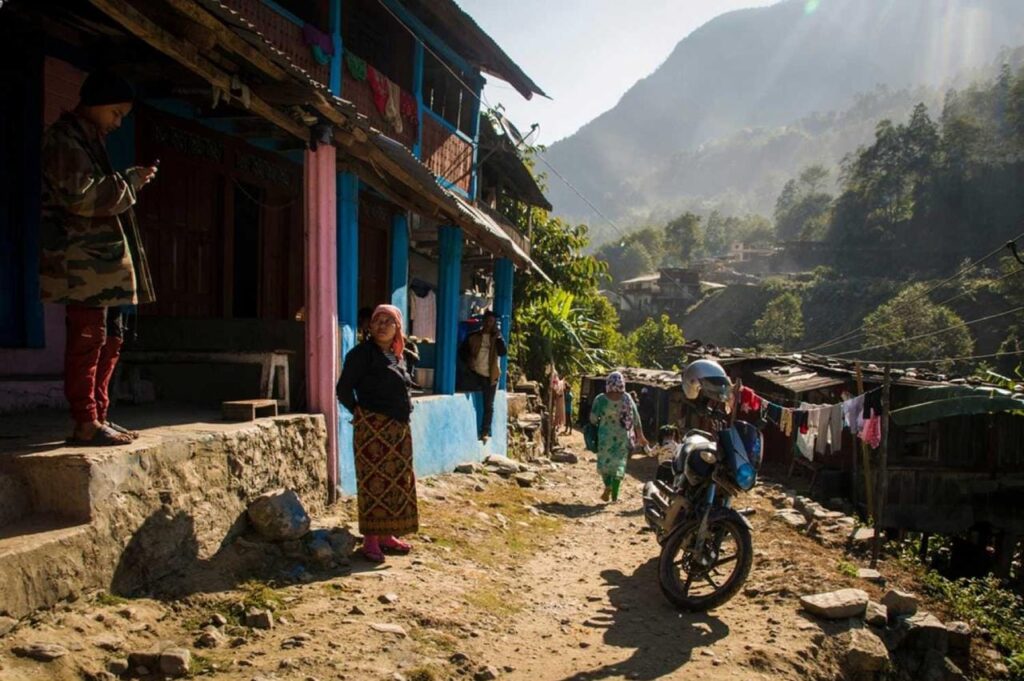
First Impressions: What It Feels Like to Reach Yuksom
The journey to Yuksom is not just about reaching a destination — it slowly becomes a part of the experience itself. The roads are long and winding, cutting through mountains, forests, and small hidden villages that you would probably never notice otherwise. This Yuksom travel guide helps you understand how the journey itself becomes part of the experience. As the vehicle moves deeper into the hills, the surroundings begin to change in a way that feels almost gradual and unforced. At first, you are still connected to the outside world — checking your phone, noticing time, thinking about how far you still have to go. But somewhere along the way, that slowly fades. The signal disappears, the roads become quieter, and the only thing that stays with you is the view outside your window. You pass by small houses with tin roofs, children playing near the roadside, and narrow paths that disappear into thick greenery. Rivers flow alongside the road at certain stretches, their sound blending with the silence of the mountains. The air starts to feel cooler, fresher — almost as if it’s reminding you that you are leaving something behind. By the time you finally reach Yuksom, you don’t feel like you’ve just arrived somewhere new. It feels more like you’ve stepped into a different rhythm of life altogether
1. A Village That Slows You Down
Yuksom does not greet you with noise or activity. In this Yuksom travel guide, this slow pace is what makes the experience feel so different. There are no crowds waiting, no rush of vehicles, no sense of urgency. Instead, it welcomes you quietly. The first thing you notice is how still everything feels. Life here moves slowly, but not in a lazy way — in a peaceful, steady way. People go about their day without hurry. Conversations are softer, movements are calmer, and even time seems to stretch a little longer. As a visitor, you don’t even realize when you start adapting to this pace. You begin to walk slower, not because you are tired, but because there is no reason to rush. You start noticing small things — the sound of leaves moving in the wind, the distant barking of a dog, the way clouds move across the sky. Mornings in Yuksom feel especially fresh. There is a crispness in the air that wakes you up gently. You step outside and everything feels clean and quiet, as if the day has just begun in its purest form. Evenings arrive early in the mountains. The light softens, the temperature drops, and the village gradually becomes quieter. By night, there is a kind of silence that feels unfamiliar at first — not empty, but complete. It’s in this silence that you begin to feel present.
2. The Feeling Before the Trek Begins
If you are in Yuksom for the Goechala Trek, there is another layer to this experience — a quiet anticipation that you can almost feel in the air. You’ll notice other trekkers around you, each at a different stage of preparation. Some are checking their backpacks again and again, making sure they haven’t forgotten anything. Others are sitting in small groups, talking about the route, the weather, or their past trekking experiences. There’s a mix of emotions that is hard to describe. Excitement is definitely there — the kind that comes from knowing you are about to do something meaningful. But along with that, there is also a sense of calm. No one is rushing. No one is trying to prove anything. It feels like everyone understands that this journey is not just about reaching a destination. As the night before the trek approaches, things become even quieter. You might find yourself lying in your room, unable to sleep easily — not because of discomfort, but because your mind is already on the trail. You think about the forests you will walk through, the climbs you will face, and the moment you will finally see the mountains up close. And somewhere in those thoughts, there is a realization — the journey has already begun, even before you take your first step. This Yuksom travel guide shows how the journey begins even before you start walking.

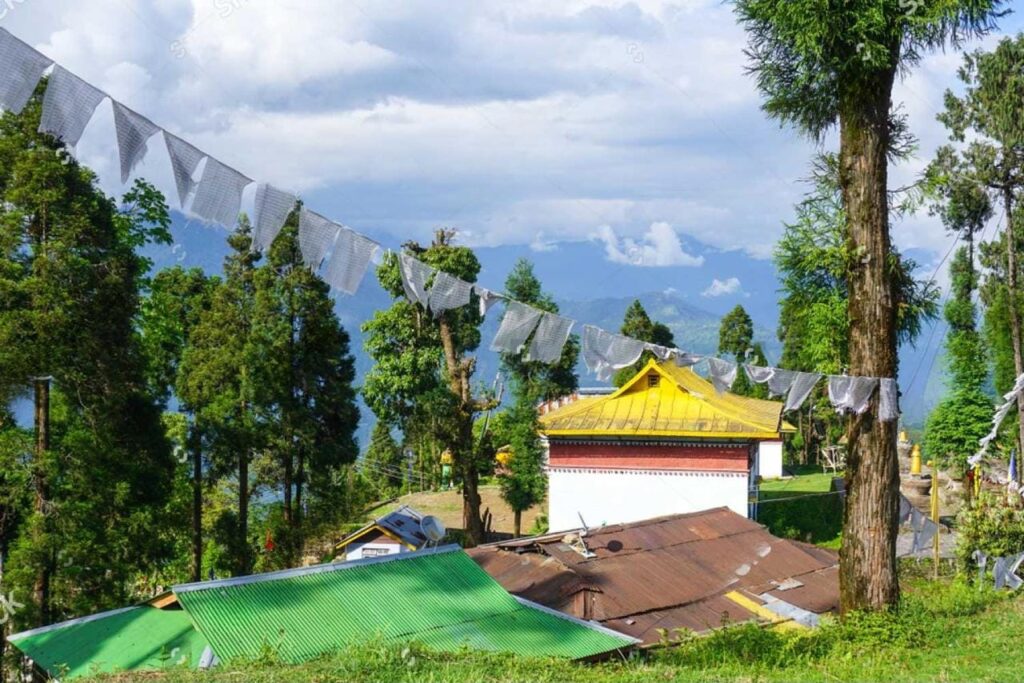
Yuksom Travel Guide: Places You Should Not Miss
Yuksom may look like a small and quiet village at first, but once you spend a little time here, you start realizing that it has its own depth. It’s not a place filled with crowded tourist attractions or busy markets. Instead, it offers experiences that feel slow, personal, and meaningful.
The places you visit here are not about ticking off a list — they are about pausing, observing, and feeling connected to your surroundings. Whether you are spending a day here before starting the Goechala Trek or simply exploring the village, these places give you a deeper understanding of what Yuksom really is. According to this Yuksom travel guide, these places are not just tourist spots but quiet experiences that stay with you.
1. Dubdi Monastery: A Walk into Silence
Dubdi Monastery is often one of the first places people visit when they arrive in Yuksom, and for a good reason. It is known to be one of the oldest monasteries in Sikkim, quietly standing above the village, surrounded by forest and stillness. But what makes this place special is not just the monastery itself — it’s the journey to reach it. This Yuksom travel guide recommends visiting this place slowly to truly feel its calmness
2. What the Walk Feels Like
The walk to Dubdi Monastery is not very long, but it feels different from a normal walk. The trail slowly takes you away from the village and into a forested path where everything becomes quieter. As you move forward, you hear the sound of leaves under your feet, birds calling from a distance, and sometimes just the silence of the forest. The air feels cooler here, and there’s a natural freshness that makes you slow down without even trying. You don’t feel like rushing to reach the monastery. Instead, you start enjoying the walk itself — every step, every sound, every small detail around you. It feels less like a “visit” and more like a transition into a quieter space.
3. The Experience at the Monastery
When you finally reach Dubdi Monastery, the first thing you notice is the absence of noise. There are no crowds, no loud conversations — just a calm, open space where everything feels still. The monastery itself is simple, but it carries a peaceful presence. You can sit there for a while without doing anything, and somehow, it still feels like time well spent. It’s one of those rare places where you don’t need an activity to feel engaged. Just being there is enough.

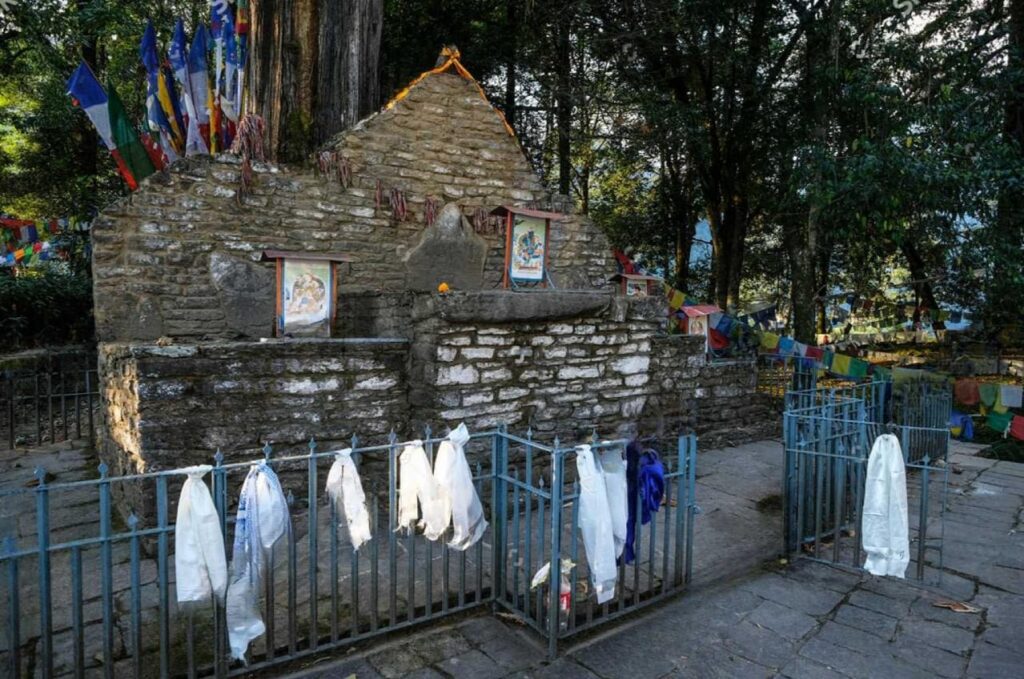
Norbugang Coronation Throne: A Place of History and Quiet Reflection
The Norbugang Coronation Throne is one of the most important historical sites in Yuksom. It is believed to be the place where the first king of Sikkim was crowned, making it a significant landmark not just for the village, but for the entire region.
1. Why This Place Feels Different
Unlike many historical places that are crowded or heavily developed, Norbugang feels simple and untouched. The area is surrounded by trees, and the atmosphere remains calm and undisturbed. When you walk around this space, you don’t feel like you’re visiting a tourist attraction. Instead, it feels like you’ve stepped into a place that quietly holds its past. There are no distractions here. No rush to take photos or move quickly. You naturally slow down.
2. The Experience of Being There
Standing near the coronation throne, you begin to notice the silence again — the kind of silence that allows you to think, or sometimes, just to be still. Even if you don’t know much about the history, you can feel that this place matters. It’s not something you “see” and move on from. It’s something you pause for, even without realizing why.
Kathok Lake: A Quiet Escape in the Village
Kathok Lake is a small and peaceful spot located close to the main village area. It may not be large or visually dramatic, but it offers something that is often missing in busy travel destinations — stillness. According to this Yuksom travel guide, places like this are what make the visit memorable.
1.Spending Time by the Lake
When you reach Kathok Lake, there is no activity waiting for you. No crowds, no noise, no rush. Just water, trees, and quiet surroundings. You can sit by the edge of the lake and simply observe — the reflection of the sky, the gentle movement of water, or even just the stillness of the place. It’s the kind of spot where time doesn’t feel important. You may sit there for a few minutes or much longer without even noticing.
2. Why Places Like This Matter
In many trips, we look for big views and famous locations. But in Yuksom, it’s often the smaller, quieter places that leave a deeper impression. Kathok Lake is one of those places. It doesn’t try to stand out — and maybe that’s exactly why it stays with you.
Staying in Yuksom: Simple but Meaningful
Accommodation in Yuksom reflects the nature of the village itself — simple, calm, and welcoming. You won’t find luxury hotels or high-end resorts here, but what you will find is comfort in a more genuine form.
1. Types of Accommodation Available
In Yuksom, you will mostly find:
- Homestays
- Guesthouses
- Small lodges
These places are designed to meet basic needs, but they offer something more important — a sense of warmth and connection. This Yuksom travel guide also suggests choosing homestays to experience the local lifestyle more closely.
2. The Experience of Staying in Yuksom
Staying in Yuksom feels very different from staying in a typical city hotel. The rooms may be simple, but they are clean and comfortable. What truly makes the experience special is the environment around you. You wake up to quiet mornings, fresh mountain air, and sometimes the soft sound of nature outside your window. There is no noise of traffic, no rush to start your day — just a calm beginning. Even something as simple as sitting with a cup of tea feels more meaningful here. In the evening, as the temperature drops and the village becomes quieter, your room starts to feel like a peaceful retreat after a slow and fulfilling day.
3. Why Homestays Are the Best Choice
If you want to truly experience Yuksom, staying in a homestay is one of the best decisions you can make. Homestays give you a chance to interact with local families, understand their way of life, and feel more connected to the place. You may have small conversations, share meals, or simply observe daily life — and these moments often become some of the most memorable parts of your trip. It adds a personal touch that hotels usually cannot offer.
Why Exploring Yuksom Feels Different
Exploring Yuksom is very different from visiting most tourist destinations. It’s not a place where you try to cover as many spots as possible in a limited time, rushing from one location to another just to tick things off a list. Instead, Yuksom gently changes the way you travel. Here, the idea is not to “see more,” but to experience more — even if that means visiting fewer places. When you walk through Yuksom or explore nearby spots like Dubdi Monastery, Norbugang, or Kathok Lake, you begin to notice that nothing feels forced. There are no crowds pushing you forward, no noise distracting you, and no urgency telling you to move quickly. Everything around you feels calm, almost as if the place itself is asking you to slow down. And without realizing it, you do. You start spending more time in one place than you normally would. You might sit quietly near a monastery, walk slowly through a forest trail, or simply pause somewhere without any specific reason. These moments may seem small, but they begin to feel more meaningful than rushing through multiple attractions. What makes Yuksom special is that it allows you to travel at your own pace — not the pace of a schedule, but the pace of your thoughts and surroundings. You don’t feel the need to constantly check time or plan the next stop. Instead, you start enjoying where you already are. There’s also a certain kind of silence in Yuksom that you don’t often experience. It’s not empty — it’s calming. It gives you space to think, to observe, and sometimes, to simply do nothing. And in today’s busy life, that itself feels like something rare. Exploring Yuksom is not about collecting photos or covering distances. It’s about being present in the moment — noticing the details, feeling the environment, and letting the place unfold at its own pace. And maybe that’s what makes it feel so real. Because for once, you’re not chasing the journey. You’re actually experiencing it. This Yuksom travel guide shows how this quiet beginning shapes the entire journey ahead
Food in Yuksom: Simple, Warm, and Comforting
Food in Yuksom is not something that tries to impress you with variety or presentation. This Yuksom travel guide also highlights how simple food becomes a memorable part of the journey. Instead, it quietly does what it is meant to do — nourish you, comfort you, and keep you going, especially if you are preparing for or returning from the Goechala Trek. When you first arrive, you might notice that the menus are quite simple. There aren’t too many options, and most places serve similar kinds of meals. But as you spend more time here, you begin to understand that in the mountains, simplicity is not a limitation — it’s exactly what your body needs
1. What You Can Expect to Eat
Most guesthouses, homestays, and small eateries in Yuksom serve basic, home-style food that is freshly prepared and filling. You’ll commonly find meals like:
- Rice and dal
- Seasonal vegetables
- Simple curries
- Noodles or thukpa
- Soup
- Tea or black tea
At first glance, it may look like an ordinary meal. But after a long journey through winding roads or a day spent walking in the mountains, even this simple food feels incredibly satisfying. Meals are usually served warm, and that makes a big difference in the cool mountain weather. There’s something comforting about holding a hot bowl of soup or a plate of freshly cooked rice after being out in the cold.
2. The Experience of Eating in Yuksom
What makes food in Yuksom special is not just the taste, but the experience around it.
You often sit in a small dining area, sometimes with other trekkers, sharing the same space and the same kind of meal. Conversations are simple — about the trek, the weather, or the journey ahead. There is no rush while eating. You take your time, enjoy each bite, and feel your energy slowly returning. In homestays, the experience feels even more personal. The food is cooked in small kitchens, often by local families, and served with a warmth that feels genuine. It may not be fancy, but it feels real.
3. Why Food Feels Better Here
There’s something about being in the mountains that changes your relationship with food. Back in cities, we often look for variety, taste, and presentation. But in Yuksom, your focus shifts. After a long day of travel or trekking, your body doesn’t crave complicated dishes — it craves warmth, simplicity, and energy. And that’s exactly what you get. Warm meals feel more comforting. Simple dishes taste better. Even a cup of tea feels more refreshing than usual. It’s not because the food is very different — it’s because your experience is.The cold air, the physical effort, and the peaceful surroundings make you appreciate even the simplest meal in a deeper way.
4. More Than Just Food
In Yuksom, food is not just about eating. It becomes a part of your overall journey. It gives you the energy to keep going, the comfort to relax after a long day, and sometimes even a moment to connect with others around you. By the time you leave, you may not remember exactly what you ate — but you will remember how it made you feel. And that feeling stays with you.
Yuksom Travel Guide: Best Time to Visit Yuksom
Choosing the right time to visit Yuksom can completely shape your experience. The landscapes, weather, visibility, and even the overall mood of the place change with each season. While Yuksom remains beautiful throughout the year, the kind of experience you have depends on what you are looking for — whether it’s clear mountain views, colorful forests, peaceful surroundings, or a trekking adventure like the Goechala Trek. According to this Yuksom travel guide, choosing the right season can completely change your experience
1. Spring Season (March to May): Fresh, Colorful, and Full of Life
Spring is one of the most refreshing and lively times to visit Yuksom. After the colder months, the forests slowly come back to life. Trees turn greener, flowers begin to bloom, and the entire landscape feels vibrant and full of energy. Walking around Yuksom during this time feels different — there is color everywhere, especially in the forests where rhododendrons bloom beautifully. The weather is also pleasant, making it comfortable for both sightseeing and trekking. Another beautiful part of visiting during spring is the chance to notice more bird activity. The forests around Yuksom are rich in birdlife, and if you pay attention, you may spot colorful Himalayan birds or hear their calls while walking through quiet trails. It’s a great time if you enjoy nature at its most alive and don’t mind a bit of unpredictability in weather.
2. Autumn Season (September to November): Clear Views and Perfect Trekking Weather
Autumn is often considered the best time to visit Yuksom, especially if you are planning the Goechala Trek. After the monsoon season, the skies become much clearer, and the visibility improves significantly. This is when you get some of the best views of the surrounding Himalayan peaks. The air feels crisp, the landscapes look sharp, and everything appears more defined. The weather during this season is also stable, which makes trekking conditions much better. Days are usually clear, and nights are cold but manageable. Wildlife is not always easy to spot, but the forests feel calm and active in their own way. You may come across birds, small forest animals, or simply hear sounds that remind you that nature is very much alive around you. If your goal is clear views and a smooth trekking experience, autumn is the ideal time.
3. Monsoon Season (June to August): Lush Green but Challenging
During the monsoon months, Yuksom receives heavy rainfall, which transforms the entire region into a lush green landscape. The forests look dense and fresh, and everything feels more alive in terms of greenery. However, this beauty comes with challenges. The trails become muddy and slippery, making trekking difficult and sometimes risky. Visibility is often low due to clouds and rain, so mountain views are usually hidden. While you may notice more natural activity in the forests during this time, including insects and small wildlife, the overall trekking experience is not ideal. If you are someone who enjoys greenery and doesn’t mind staying in one place, monsoon can still be peaceful — but for trekking, it is best avoided.
4. Winter Season (December to February): Quiet, Cold, and Peaceful
Winter brings a completely different side of Yuksom. The temperatures drop, the air becomes colder, and the village becomes quieter than usual. There are fewer visitors during this time, which makes the entire place feel even more peaceful and untouched. The landscapes may not be as colorful as spring or as clear as autumn, but they carry a calm, silent beauty of their own. Early mornings feel crisp, and nights are cold, often encouraging you to stay indoors with something warm. Wildlife activity becomes less visible due to the cold, but the stillness of the environment creates a different kind of experience — one that feels more introspective and slow. If you enjoy solitude and don’t mind cold weather, winter can offer a very unique and quiet experience in Yuksom.
5. Which Season Should You Choose?
The best time to visit Yuksom depends on what kind of experience you are looking for. If you enjoy colorful landscapes and active nature, spring is a great choice. If you want clear mountain views and the best conditions for the Goechala Trek, autumn is ideal. Monsoon is best avoided for trekking, while winter is perfect for those who prefer quiet and solitude. No matter when you visit, Yuksom offers something different in every season — you just need to choose what suits your journey.
Things You Should Know Before Visiting Yuksom
1.Limited Connectivity
Network connectivity in Yuksom is limited. You may not have access to the internet at all times. It’s a good idea to inform your family or friends before you arrive. But in a way, this is also a good thing — it allows you to disconnect and be present.
2.Basic Facilities
Yuksom is not a commercial tourist destination. Facilities are simple, and you should not expect luxury. Carry essentials, especially if you are preparing for a trek.
3. Respect Local Culture and Nature
Yuksom is peaceful because it is preserved well. As a visitor, it is important to respect the environment and local traditions. Avoid littering and keep the surroundings clean.
This Yuksom travel guide helps you stay prepared while still enjoying the simplicity of the place.
Why Yuksom is More Than Just a Starting Point
At first, it’s easy to think of Yuksom simply as the place where the Goechala Trek begins — a stop where you arrive, prepare, and then move forward. But if you allow yourself even a little time here, that idea slowly changes. Yuksom does something subtle that most places don’t — it shifts your pace without you even realizing it. The moment you step into the village, the rush you carried from your everyday life begins to fade. There is no pressure to do anything quickly, no constant noise demanding your attention, and no need to follow a strict schedule. Instead, you find yourself slowing down naturally — walking a little more calmly, thinking a little more clearly, and observing things you would normally overlook.
As you spend more time here, whether it’s sitting quietly near your stay, walking through the village, or simply watching the mountains in the distance, you begin to feel a kind of mental space opening up. It’s not something dramatic, but it’s noticeable. The distractions of routine life — work, notifications, responsibilities — slowly take a step back, and in their place comes a sense of presence. You start focusing more on the moment rather than what comes next. And in that process, Yuksom prepares you in a way that no checklist or plan can.
By the time you are ready to begin the trek, you are not just physically prepared — you are mentally ready as well. Your expectations become simpler, your thoughts feel lighter, and your approach to the journey changes. You are no longer just trying to “complete” the trek; you are ready to experience it. That is what makes Yuksom more than just a starting point. It quietly becomes a part of your journey — shaping how you begin, how you feel, and how you move forward.
Conclusion
In the end, Yuksom is not a place that tries to stand out in the usual way. It doesn’t rely on crowded attractions, busy markets, or constant activity to leave an impression. Instead, it offers something much more subtle and meaningful — a sense of calm that you begin to feel the longer you stay. Whether you arrive here to begin the Goechala Trek or simply to explore a quiet Himalayan village, Yuksom has a way of slowing you down and bringing your attention back to the present moment. As you walk through its peaceful surroundings, sit quietly with a cup of tea, or prepare for the journey ahead, you start realizing that this place is not just about travel — it’s about how you experience travel. It gently helps you disconnect from your daily routine and reconnect with simpler things — nature, silence, and your own thoughts. By the time you leave Yuksom, you may not just be carrying memories of a place, but also a different mindset for the journey ahead. Overall, this Yuksom travel guide shows that the village is much more than just a starting point for the Goechala Trek. That is what makes Yuksom truly special. It is not just the starting point of the Goechala Trek, but a meaningful beginning in itself — one that shapes your entire experience before the real trek even begins. And sometimes, that quiet beginning becomes the most unforgettable part of the whole journey.